Texas · GA Daily Post
On Wednesday the chancellor confirmed that the 5p/litre discount on fuel duty would continue until at least July. The plan had been to phase out the discount early next year, with an increase of 3p per litre on 1 January and a further 2p on 1 March. But the war in the Middle East has pushed fuel prices up dramatically.
The cost of filling a typical family car with diesel has gone up by around £30 since late February. A tankful of petrol now costs about £23 more. A 5p/litre increase would have added a further £2.75 to a fill-up, but that will no longer happen until the summer at least.
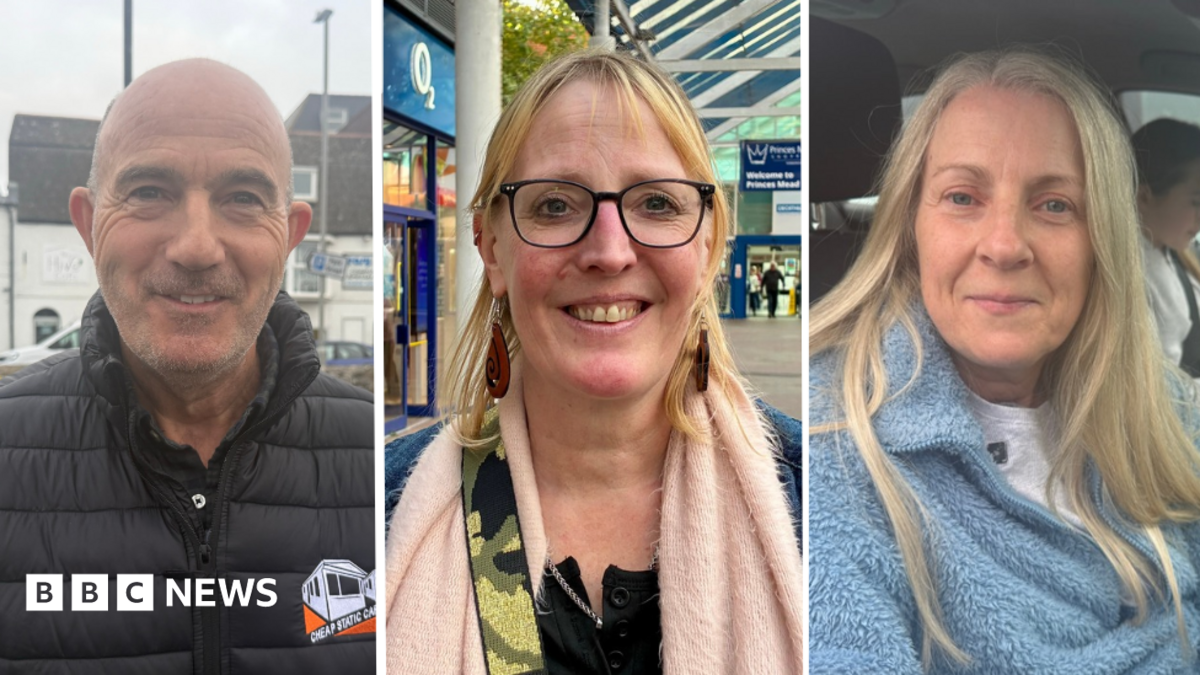
Speaking to the BBC in Weymouth, Josephine said: "It's good that we've got it, it could have been more but as we've got no money at least they're listening to what we're saying." Sue, who uses her car every day to go to work and spends about £55 on fuel per week, said while the fuel duty cut extension was "good", it "could be better". "I think they should put it down actually," she added. Reacting to the extension of the fuel duty discount, Thomas said: "It's good to know that, but it's still too expensive.
"It needs to come down. "What we're paying for diesel now is just astronomical, so to us it makes a big difference. "It's not just the pick up, which I have for the business, I've also got transport as well to transport the caravans, which that on top it's around about three or four thousand pounds a month I'm paying on fuel." Steph said: "I think that would be great because I think so many high streets are just dwindled away, with lots of small small businesses just having to close because rents high, electricity - well energy bills - are high, staff costs are high, everything's high.
"It would be nice to see more independent stores and less big chains." Workers aged between 18 and 20 years old will see their pay rise by 3.9%, which is the same increase as those aged 21 years and over. It is a smaller increase than 18-to-20-year-olds have had from Labour over the past two years which, taken together, saw minimum hourly wages rise by 26%. Brian said the government needed to give small businesses more money "so they can employ more people".
"The trouble is they've upped the minimum wage so therefore at the end of the day it's the people like us who are going to pay for it," he said. "Because the companies can't just suck it up as they say, it's got to come from somewhere and it will be passed on to the consumer."
Source: BBC